

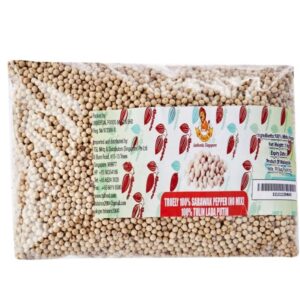
Sarawak white pepper is widely considered one of the finest white peppers in the world. Globally recognized by chefs and food manufacturers alike, its unique processing methods and geographical origin give it distinct advantages when used in culinary applications.
1. Clean, Striking Aesthetics
The most immediate functional advantage of white pepper is visual. Because the dark outer husk (the pericarp) is removed before grinding, Sarawak white pepper blends seamlessly into pale culinary creations.
-
Application: It prevents unsightly dark specks in cream sauces (like Béchamel), cream-based soups, mashed potatoes, and light-colored stews or gravies, ensuring a pristine presentation.
2. Refined, Less Barnyard Aroma
Lower-quality white peppers often undergo prolonged, stagnant retting (soaking in water to remove the skin), which can impart a heavy, farmyard, or overly funky smell.
-
-
The Sarawak Advantage: Traditional Sarawak processing utilizes clean, fast-flowing mountain streams to soak the fully ripe pepper berries. This meticulous washing process yields a much cleaner, brighter, and more sophisticated aroma, stripping away the unpleasant musk while retaining pure peppery depth.
-
3. High Concentrated Heat (Piperine Content)
White pepper consists entirely of the inner seed, where the chemical compound piperine is highly concentrated. Piperine is responsible for the sharp, biting heat of pepper.
-
The Culinery Edge: Sarawak white pepper delivers a sharp, immediate kick of heat that cuts through rich ingredients without relying on the heavier, woodier flavors of black pepper. This makes it incredibly efficient; a small amount goes a long way in waking up the palate.
4. Distinct Earthy and Musky Nuance
While black pepper relies heavily on volatile top-note terpenes (giving it citrusy, piney, and floral notes), white pepper has a completely different flavor chemistry. It features a complex blend of earthy, musk-like, and slightly fermented undertones.
-
The Flavor Layer: This unique profile provides a deep, savory foundation (umami enhancer) that anchors complex spice blends and balances out ingredients with natural sweetness or high fat contents.
5. Essential for Traditional Asian Culinary Profiles
Certain classic dishes rely entirely on the specific flavor profile of high-quality white pepper to achieve their signature taste.
-
Broth and Soups: It is the backbone of traditional comfort foods like Chinese pepper soups (e.g., pig’s stomach soup or Bak Kut Teh), where a comforting, clear, deep heat is required.
-
Marinations and Stir-Fries: It pairs perfectly with light meats (poultry, pork) and seafood, neutralizing fishy or gamey notes without altering the color or overpowering the delicate proteins.
-
Classic Cantonese Dishes: Essential for hot and sour soup, fried rice, and dim sum fillings where black pepper would taste completely out of place.


Reviews
There are no reviews yet.